
Learning to turn away from an abusive relationship is not always easy. Many survivors of domestic violence have told me that one of the most difficult obstacles to leaving an abusive relationship is confusion over what constitutes abusive behavior. They say that while it should be simple to tell when you're being abused, sometimes it's not. If someone hits you, that's interpreted by most people as abusive. But what about the love between you and your partner, which you may feel is still there? The shared history, which makes it hard to imagine a future without this person? Or the promises he or she makes to change their behavior? How do you weigh such factors that seem to modify or cancel out a partner's violent episodes?
An abusive partner may promise to change or give you reasons to justify the violent or intimidating behavior, and at times those promises and reasons may seem to make sense. Which is why you may need a strong support system, including a counselor who specializes in domestic abuse, to help you draw the line between acceptable and abusive behavior-and to help you make decisions about how to live an abuse-free life.
Domestic abuse can never be part of a good relationship. When fear, intimidation, and cruelty are present in a relationship, can you really call that love?
- Dr. Ana Nogales
Showing posts with label Mental Health. Show all posts
Showing posts with label Mental Health. Show all posts
Wrongly diagnosed as hyperactive ...
12.02.2009
Children who grow up in toxic environments are exposed to what is known as chronic neuronal development trauma. They become impatient, impulsive, demanding, and, in many cases, arrogant. They are often criticized for their behavior and are wrongly diagnosed as hyperactive when their actions are actually a way for them to remain alert to potential danger. Such children feel that they must be ready to defend themselves at all times. Given their threatening home environment, their response to perceived potential threats is logical.
Children who have been traumatized by family violence live in a constant state of fear, which is not always evident because they are used to hiding it. Their fear is understandable, because they sense that if they ignore potential danger they could become victims of violence. Hiding their fear is also a logical behavior, since declaring their vulnerability can be dangerous as well. This defensive, fearful way of relating to others affects a traumatized child’s decision making and learning capabilities because their minds are preoccupied with trying to protect themselves. A child from such a background may be smart, but he or she tends to have learning disabilities. Parents or teachers may classify these children as “lazy,” but they are not; rather, they are investing all their energy in defending themselves against a perceived threatening environment.
Traumatized children may appear physically different in terms of their attitude and posture. They may look tense and ready to react. They also have problems sleeping and relaxing and show little tolerance for listening to or understanding others. This profile suggests the presence of anxiety, which can easily develop into medical problems, especially with respect to the cardiovascular system.
- Dr. Ana Nogales
![Reblog this post [with Zemanta]](https://lh3.googleusercontent.com/blogger_img_proxy/AEn0k_vx-7dPLExhXvjGilMRjNVeZbUlsAWBLPLebFoKBwamS3KwmrpzFWj_6Pc5VYmoYqT0AZdONuGwmXIkQyjTWafLG_5ZL34re3SQl3k0SlLfeDlLDCuCyn6HP5LNut31NdCs8r-3bZ9FWJeP93kLR40=s0-d)
Children who have been traumatized by family violence live in a constant state of fear, which is not always evident because they are used to hiding it. Their fear is understandable, because they sense that if they ignore potential danger they could become victims of violence. Hiding their fear is also a logical behavior, since declaring their vulnerability can be dangerous as well. This defensive, fearful way of relating to others affects a traumatized child’s decision making and learning capabilities because their minds are preoccupied with trying to protect themselves. A child from such a background may be smart, but he or she tends to have learning disabilities. Parents or teachers may classify these children as “lazy,” but they are not; rather, they are investing all their energy in defending themselves against a perceived threatening environment.
Traumatized children may appear physically different in terms of their attitude and posture. They may look tense and ready to react. They also have problems sleeping and relaxing and show little tolerance for listening to or understanding others. This profile suggests the presence of anxiety, which can easily develop into medical problems, especially with respect to the cardiovascular system.
- Dr. Ana Nogales

What causes some men to be aggressive?
11.19.2009
We cannot assign responsibility only to a macho society and blame it for all the nastiness. Also, there must be a reason why some men are violent and others are not.
There are certain psychopathological conditions, such as those demonstrated by the sociopath, that produce violent behavior in women as well as men, with responses that are atypical of the very separate problem of domestic violence. We are speaking here of people who respect no social standards and who respond to no type of conventional treatment; those who often end up in jail, paying for their crime.
The difference is in an emotion: shame. For example, the psychopath ‘has no shame.” He doesn’t hold himself responsible due to lack of consciousness that he has done anything wrong. This person feels no remorse for his faults.
However, the male who responds with violence in his home or under certain other circumstances in which he knows it must be tolerated, does “suffer shame” and it is this very shame that produces his anger and consequent aggressive behavior.
- Dr. Ana Nogales
![Reblog this post [with Zemanta]](https://lh3.googleusercontent.com/blogger_img_proxy/AEn0k_vwJFumOncWD8IGCvCK6wmCE9if3vG5Q3Lpe3Np2AzZzUTC-pZoII2u6aBNFelNBMrQGI3JNKkppr1J7q10UTzKcOBxA3Y2Ph_LYNqaV8VZinU13AcPum8sz8L7GupEBmbLbiGIKjC-jbgdwFOiXQ0=s0-d)
Do men and women have the same kind of humor?
10.17.2009
It's interesting to note that the humor of men and women does differ. Women tend to laugh more at themselves, which brings them closer together socially. Men, on the other hand-due to a
Humor, games and laughter help us to bond with each other. They promote both social adaptation and mental and physical health. To know how to laugh is important-as long as it's not hurting anyone else, of course. When we enjoy every moment, it's a way of praising life. Why not incorporate as much laughter as we can into our lives?
- Dr. Ana Nogales
![Reblog this post [with Zemanta]](https://lh3.googleusercontent.com/blogger_img_proxy/AEn0k_tHkf-ts71EDhpAvRgDky4BKWBpOy0zH0nC1E2Y1Rfl1xDCaUbpLWJfCgaOXuBDTmO61fCM3xkZcICVEO02VuoavRxQeTlYulE5dP5_m_dw2SyHrQzNVss1GpfCei3KWuFKcdQXBADIvUCSOT7_qhM=s0-d)

Humor, games and laughter help us to bond with each other. They promote both social adaptation and mental and physical health. To know how to laugh is important-as long as it's not hurting anyone else, of course. When we enjoy every moment, it's a way of praising life. Why not incorporate as much laughter as we can into our lives?
- Dr. Ana Nogales
Can laughter be considered an alternative medicine?
10.15.2009
I have been thinking and I want to write more about the same topic as in my last post: Laughter.
Of course laughter can be considered an alternative medicine!
And you will agree with me.
We all can recognize that we feel very positive after seeing a movie that made us laugh heartily. Laughter permits us to discharge accumulated tensions and feel physically and emotionally agile, enhancing our capacity to think and feel.
Playing also creates a similar response, and playing is not only for kids. We enjoy a feeling of well being after spending time at play-we forget our daily tensions.
Playing refreshes the spirit and recharges us so that we're able to take on our responsibilities with greater enthusiasm. And it also provides a positive balance to the tediousness and boredom of certain types of work.
In addition to this, games and other types of play and recreation change our attitude; we're able to leave resentments and negative thoughts behind and enjoy a more optimistic vision of live.
Furthermore, playing is an exercise that invites us to be more flexible, because we have to experiment with new personalities, situations and possibilities, away from our known routine. When we play, we learn about our own potential and discover how we might begin to create and dream. Another benefit is that "playful" people awaken a positive attraction in others. It is a fact that we are attracted by the person who shows himself to be friendly, with a wide smile and open personality, rather than the face that reflects resentment, frustration or pain. In addition, "playful" people tend to be good leaders, because their sympathetic attitude is magnetic rather than competitive-which leads them to success as professional leaders or politicians.
- Dr. Ana Nogales
![Reblog this post [with Zemanta]](https://lh3.googleusercontent.com/blogger_img_proxy/AEn0k_sXzmR6l64yhcdZYGlw2d_ym4BEUrmKQSTGfOkMGPFOwWi_JjUUtY3b3iS3ViWgmHM9IJBhG6qTEOT9686CWCfwRF9IyTHQnouo9ux7VwChaJxOMr9V_JuCkKMs-RywyBeqtfyFmXq8bbdIc4WyTpF5=s0-d)
Of course laughter can be considered an alternative medicine!

And you will agree with me.
We all can recognize that we feel very positive after seeing a movie that made us laugh heartily. Laughter permits us to discharge accumulated tensions and feel physically and emotionally agile, enhancing our capacity to think and feel.
Playing also creates a similar response, and playing is not only for kids. We enjoy a feeling of well being after spending time at play-we forget our daily tensions.
Playing refreshes the spirit and recharges us so that we're able to take on our responsibilities with greater enthusiasm. And it also provides a positive balance to the tediousness and boredom of certain types of work.
In addition to this, games and other types of play and recreation change our attitude; we're able to leave resentments and negative thoughts behind and enjoy a more optimistic vision of live.
Furthermore, playing is an exercise that invites us to be more flexible, because we have to experiment with new personalities, situations and possibilities, away from our known routine. When we play, we learn about our own potential and discover how we might begin to create and dream. Another benefit is that "playful" people awaken a positive attraction in others. It is a fact that we are attracted by the person who shows himself to be friendly, with a wide smile and open personality, rather than the face that reflects resentment, frustration or pain. In addition, "playful" people tend to be good leaders, because their sympathetic attitude is magnetic rather than competitive-which leads them to success as professional leaders or politicians.
- Dr. Ana Nogales
Why Should We Laugh?
10.13.2009
The song says "it's better to laugh than to cry."

It may be hard to believe, but laughter actually effects our body's capacity to create immunity to different diseases, according to a study by the University of California, Loma Linda. It was shown that the effects of laughter decrease the level of cortisol, which suppresses the immune system. Those effects also raise the activity of the cells that combat and destroy abnormal cells and double the level of plasma that strengthens the immune system.
- Dr. Ana Nogales
![Reblog this post [with Zemanta]](https://lh3.googleusercontent.com/blogger_img_proxy/AEn0k_vhEpLIzr0PlHCUO1Q3SPB1W54gi6-wwtYaZ-rOySCjU4-CALkl0BNzx4Ywc5nCD6pNdQUC1XRd6YAcdNOhSHtBeppOnnYTUcKIftNJPFkPRrAII7qsiM0Wt1vtKdSmkPywoPhfp1pQ6WZrzucJC9-k=s0-d)
The Complexity of Trauma ...
9.17.2009
Modern studies of magnetic resonance and neuro-images have found that there are three areas of the brain which are affected when a person lives through a prolonged trauma: the hypothalamus, the amygdala, and the frontal lobe. These areas of the brain cause people to continue experiencing and responding with stress to a trauma even when it no longer exists. Since the trauma-related brain changes are ongoing, a hormonal imbalance is created as well.
Such studies are of particular importance to women, since women experience emotional changes during their monthly cycle, pregnancy, post-childbirth, and menopause – all of which are caused by hormonal shifts. Such hormonal changes can cause imbalances that can then lead to depression.
Some women find temporary relief from premenstrual depression by satisfying their craving for chocolate or other candies. There is a biological explanation for such cravings, since the glucose may help to restore the hormonal imbalance that produces depression and its consequential behaviors, including concentration problems, memory blackouts, lack or excess of appetite, impulsiveness, and aggression.
Children can also be similarly affected by anxiety-induced hormonal changes. Those who have lived through physical, sexual or emotional abuse, who have witnessed episodes of domestic violence or other extreme conditions, may also react biologically. A study by Victor Carrion, M.D. of Stanford University found that a child’s anxiety that is the result of traumatic experiences is correlated with higher levels of cortisone, just as occurs in adults.
All of this indicates that recovery from a trauma is complex and takes time.
Sometimes we want to feel well and are unable to do so. This is because healing the soul depends not only on our emotional strength but on the body as well.
A body that has been punished by the pain of traumatic life events needs time to heal. This is why, in addition to medical and psychological treatment, patience is an important component of the healing process.
-Dr. Ana Nogales
![Reblog this post [with Zemanta]](https://lh3.googleusercontent.com/blogger_img_proxy/AEn0k_udX7dhNh_AH-S_piFP9nz1C9nK1-9qYaWaJklc6rIlEDqXyMB_EF7sjFe5xvp_Kant2o4S8y-r1L14eylmayqZ5yt23ionPY-yMGX2bnr-VgzutyjzGk7l_dPlR6eMDRNBfQrGafjmBrUk4uzJ0FaN=s0-d)
6.17.2009
 Love, Sex and Relationships
by Dra. Ana Nogales
Dr. Ana Nogales, the popular TV and radio psychologist and columnist for La Opinion, offers the first guide for Latino couples and families trying to build strong, loving relationships between two cultures. Why does my husband pay more attention to his family than he does to our family? My boyfriend and I have a hard time opening up to one another. How can we learn to communicate better? How can I encourage my wife to be more free sexually? Why does my husband feel threatened now that I have a good job? How can we teach our children to love and respect their Latino heritage?
In this compassionate, practical, and long-awaited book, Dr. Ana Nogales provides wisdom and insight for the millions of Latinos who find themselves caught between two worlds--the traditions of their Latino upbringing and the demands of modern American society. Exploring how cultural attitudes and social pressures affect the way Latinos relate to those they love, Dr. Nogales describes the challenges Latinos encounter as they grapple with what can often be a difficult and wide cultural divide. Dr. Nogales, a psychologist who has specialized in Latino family issues for nearly twenty years, identifies the most common relationship problems Latino couples face. Based on her experience working with Latinos of all backgrounds and nationalities, Dr. Nogales offers helpful advice on topics such as maintaining a sense of cultural identity, learning to communicate effectively, dealing with sexual conflict, raising children, and adapting to changing roles for men and women--all from a Latino perspective. In addition, she answers the ten most frequently asked questions about love, sex, and relationships, including how to meet a mate, how to interact with a spouse's family, and how to maintain a loving and passionate relationship. Using intimate case histories of couples from diverse backgrounds, Dr. Nogales shows readers how to take the best from both the mainstream American and Latino cultures to create relationships and families that are strong, nurturing, and loving. Warm, candid, and authoritative, Dr. Ana Nogales' Book of Love, Sex, and Relationships is sure to become an invaluable resource for Latino couples everywhere.
![Reblog this post [with Zemanta]](https://lh3.googleusercontent.com/blogger_img_proxy/AEn0k_skHgD_cTChyMT_iYjEvJBbopGCte2QxOIXotjG1zYWm15fyc3Zh0OzE-6nPTTDkiMhwjud1QOvB1_S-nE9Q_1ioW6JcpYurwwj5I015t672HQ8cIkUkgfWNrdwjHx6L4KhMwOqre7PKnRWhPTfUOM=s0-d)
6.16.2009

Listen to Podcast Interviews to Dr. Ana Nogales
JOSE MIRANDA, FROM YO SOY LATINO.INTERVIEW TO ANA NOGALES
JOSE MIRANDA, FROM YO SOY LATINO.INTERVIEW TO ANA NOGALES

"... May, 23 2009 - Victims of Crime: a Chat with Ana L. Nogales, Ph.D.
Dr. Nogales is a clinical psychologist and founder of Nogales Psychological Counseling, Inc. and the Clinical Director of a nonprofit organization Casa de la Familia, which was established for victims of crime—sufferers of rape, sexual assault, child molestation and physical abuse as well as domestic violence and human trafficking.
Additionally, she is the President of ALMA, Association for Latino Mental Health Awareness in Orange County, which is dedicated to eradicating the stigma associated with mental illness.
Currently, Dr. Nogales serves on the board of the California Women's Commission on Addictions as the President and is an active board member of Las Comadres para las Americas and Women’s Transitional Living Center.
There is so much more to Dr. Nogales. In truth this is just the tip of the iceberg so listen to our show on the 23rd and find out more.
.........."
![Reblog this post [with Zemanta]](https://lh3.googleusercontent.com/blogger_img_proxy/AEn0k_srmD7JSACGFFQ_zatI0h16X9F75lWTZv4v6zQNA9jNX6vX4WNpFWP0eTprg_lZFNylN64ua9-_2eaCXuQ9G2KGsxqD3H9ZLusDNZ42aMI8qwqshgrqYz7Yl1WHlNyJtKWc7pQFCa4lyMHjIxWEyADw=s0-d)
6.10.2009

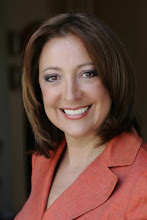
Dr. Ana Nogales
Dr. Nogales is one of the most well-known and respected Latinas in the United States. Through her private practice, media presence, numerous books, and organizational leadership, she has dedicated herself to ensuring the mental health and success of women, Latinos, and anyone else who struggles with cultural and personal issues, victimization, and inequality.
After immigrating to the United States in 1979, Dr. Nogales completed her doctorate degree in psychology at the United States International University in San Diego. She then went on to open her own private practice in 1982 in both Los Angeles and Orange Counties. As a clinical psychologist and founder of Nogales Psychological Counseling, Inc., she is deeply committed to helping members of the Latino community improve their personal relationships and emotional health, as well as adjust to and thrive in the complex multi-cultural environment in which they live.
Dr. Nogales is the founder and Clinical Director of the nonprofit organization, Casa de la Familia, which she established for victims of crimes such as human trafficking, domestic violence, rape, sexual assault, child sexual, and physical abuse. She currently supervises a clinical staff of forty mental health professionals. This organization has a program called Promotores de Salud Mental, which is dedicated to the outreach and engagement of mental health for the Latino community, and is sponsored by the Orange County Health Care Agency.
She is also the President of the Association for Latino Mental Health Awareness (ALMA) in Orange County, California, which is dedicated to eradicating the stigma of mental illness. Additionally, she is an active board member on the Multi Cultural Task Force, Las Comadres para las Americas, and the Women Transitional Living Center, a shelter for women and children. Dr. Nogales was the President of the California Women's Commission on Addictions until 2008.
Dr. Nogales is one of the most well-known and respected Latinas in the United States. Through her private practice, media presence, numerous books, and organizational leadership, she has dedicated herself to ensuring the mental health and success of women, Latinos, and anyone else who struggles with cultural and personal issues, victimization, and inequality.
After immigrating to the United States in 1979, Dr. Nogales completed her doctorate degree in psychology at the United States International University in San Diego. She then went on to open her own private practice in 1982 in both Los Angeles and Orange Counties. As a clinical psychologist and founder of Nogales Psychological Counseling, Inc., she is deeply committed to helping members of the Latino community improve their personal relationships and emotional health, as well as adjust to and thrive in the complex multi-cultural environment in which they live.
Dr. Nogales is the founder and Clinical Director of the nonprofit organization, Casa de la Familia, which she established for victims of crimes such as human trafficking, domestic violence, rape, sexual assault, child sexual, and physical abuse. She currently supervises a clinical staff of forty mental health professionals. This organization has a program called Promotores de Salud Mental, which is dedicated to the outreach and engagement of mental health for the Latino community, and is sponsored by the Orange County Health Care Agency.
She is also the President of the Association for Latino Mental Health Awareness (ALMA) in Orange County, California, which is dedicated to eradicating the stigma of mental illness. Additionally, she is an active board member on the Multi Cultural Task Force, Las Comadres para las Americas, and the Women Transitional Living Center, a shelter for women and children. Dr. Nogales was the President of the California Women's Commission on Addictions until 2008.

Her new book PARENTS WHO CHEAT: How Children and Adults Are Affected When Their Parents Are Unfaithful has recently been released by HCI: Health Communications Inc. (June 2009)
Dr. Nogales is also the author of Dr. Ana Nogales' Book of Love, Sex and Relationships: A Guide for Latino Couples (Broadway Books/Bantam Doubleday Dell), the first book to address the specific concerns of Latino couples. She also authored Latina Power! Using the Seven Strengths You Already Have to Create the Success You Deserve (Simon & Schuster, USA and Puerto Rico; Grijalbo, Latin America), and is in the process of developing a series of workbooks based on Latina Power, starting with domestic violence.
Dr. Nogales has written for the Pfizer Laboratories Newsletter about intimacy and relationship issues, and has been interviewed by the Los Angeles Times, the Orange County Register, Glamour, Cosmopolitan, Latina, Latina Style, Estylo, and People en Español, as well as other notable periodicals. She also participated on a panel of ten prominent relationship experts in Redbook magazine's special feature on "Marriage and the Family for the New Millennium."
Dr. Nogales has also become a playwright. She wrote the play, DE SABIOS Y LOCOS, with the intention of raising awareness of mental health issues within the Latino community while simultaneously reducing the mental health stigma associated with accessing mental health services. Her play shows the drama of a Latino family in a culturally sensitive and responsive manner. The goal of the play is to encourage early detection and intervention in mental health issues. It is her hope that this new and innovative approach will reach those communities that have historically been inaccessible.
Her newest play, DO NOT CALL ME BABY!, is a theater piece whose purpose is to expose the sobering reality of a thriving criminal enterprise- human trafficking. It appeals to audiences at every level, both male and female, and of every race and culture. It is structured in a way in which the veracity of human trafficking is not simply revealed, but also given means to a healing end. And while the audience, via the central character, is provided with psychological advice, they are also presented with information on who to contact should they encounter a similar situation.
Dr. Nogales began her media career in 1980 at Univision (channel 34) with a regular weekly segment entitled "Ella y Él" on Mundo Latino. Her own radio talk show, (La Voz, KPLS 8.30 AM) and television talk show, "Aquí Entre Nos"/"Just Between Us" (channel 22, Los Angeles) established her as a household name throughout the Latino community. She had a regular segment, "Solo Para Adultos", on the Univision Channel 34 News, and on Telemundo-LA’s evening news. She has appeared on numerous radio and TV programs, including "The Cristina Show", "Despierta America", and other top-rated national talk shows on Spanish language television.
Presently, she is collaborating with Telemundo Al Mediodia and Univision. She is a recurrent guest on CNN en Español, and on national and local radio programs in Los Angeles, New York City, Chicago, Miami, San Antonio, San José, and other major cities.
In addition to the weekly column she has written for the last seventeen years in La Opinión (Los Angeles), the country's #1 Spanish language newspaper, syndicated to La Raza (Chicago) and La Prensa (New York), she writes a bi-monthly column in the magazines Para Todos and Bodas.
The overwhelming popularity and success of Dr. Nogales' radio, television and print shows inspired her to produce a series of self-help audio cassettes entitled Auto-Ayuda Psicológica. The tapes address many of the topics discussed during her radio and television appearances, such as "Combating Depression", "Managing Anxiety", and "Understanding the Opposite Sex."
Dr. Nogales has been featured at workshops and conferences throughout the United States, including at the Omega Institute and The Women's Foundation, as well as at conferences in Mexico City, Guadalajara, and Buenos Aires. Her most recent presentation at the Omega Institute was on September 14-16, 2007 to address the worldwide status of women at the Women, Power and Peace Conference where she presented with Nobel Prize Laureate Rigoberta Menchu Tum.
In recognition of the critical role she has played in California, her life story and her varied accomplishments are featured in the exhibit entitled Latinas: The Spirit of California at the California Museum for History, Women, and the Arts, in Sacramento.
Dr. Nogales is committed to condemning racism and discrimination and has been appointed to the APA (American Psychological Association) Presidential Virtual Working Group on Anti-Semitic, Anti-Jewish and Other Religions, Religion-Related and/or Religion Derived Prejudice and Discrimination Task Force.
Through her insightful and compassionate writings, appearances, organizational leadership, and psychological counseling, Dr. Nogales has strived to make a difference in the lives of women and men from diverse classes and ethnic backgrounds, and is passionately dedicated to furthering this important work.
Other awards:
In recognition of the critical role she has played in California, Dr. Ana Nogales’ life story and her varied accomplishments are being featured at the exhibit Latinas: The Spirit of California at the California Museum for History, Women, and the Arts, in Sacramento. This exhibit began in June of 2005 and has been extended to June 2009.
2009 Heritage Humanitarian Award by United States International Mission and One Million Kids
2009 Amazing Woman of the Year by National Association of Women Business Owners, Inland Empire Chapter
2007 Latina Entrepreneur of the Year Award from the National Latina Business Women Association, Orange County
2006 Humanitarian Award by SOKA GAKKAI INTERNATIONAL and SGI-USA
2006 Commendation for Outstanding Service to Crime Victimes from the Los Angeles District Attorney, Steve Cooley.
2005 For Outstanding Service to the People of the County of Los Angeles
2005 Remarkable Women Award, National Association of Business Women.
2004 Paloma Award from Future Leaders of America for “Inspirational Leadership in Serving the Community”
2004 Mentorship Award from the organization Dialogue on Diversity for "Career Contributions, through Writing, Teaching, and Counseling."
1994 Commendation for "AQUI ENTRE NOS" radio show by L.A. County Board of Supervisor
![Reblog this post [with Zemanta]](https://lh3.googleusercontent.com/blogger_img_proxy/AEn0k_sDMFkI8HiEsGb0DpJkRBRIUozLCYEa52Qn076d1WSYQFxA6jukRy5iBYxg6ZbsxTN5J5RkwDERtR9buesthgmHBHm0_xj9JIKEzOodMEsnTt05XAqIPni--hFY_y_R0OSlaM8EuC26nj345Ur8EbVE=s0-d)
Subscribe to:
 Posts (Atom)
 Posts (Atom)


 Posts
Posts


